Abies alba absolute (CAS 8021-27-0) — Green Heart to base Note Fragrance Ingredient
Abies alba absolute
CAS 8021-27-0
What Is Abies alba absolute?
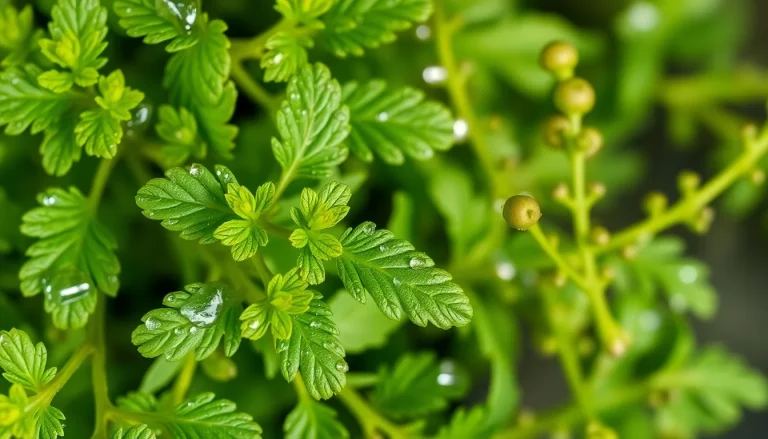
Abies alba absolute is a precious aromatic extract from the silver fir tree, primarily encountered in high-end perfumes and aromatherapy products. Its crisp, forest-like scent evokes alpine freshness and winter landscapes. This ingredient matters because it captures the essence of coniferous forests in a bottle, offering perfumers a unique green-resinous note that bridges fresh top notes with woody base accords.
Safety Profile
USE WITH AWARENESSWhat Does Abies alba absolute Smell Like?
Abies alba absolute opens with a piercing alpine freshness – imagine crushed fir needles releasing their sappy greenness underfoot. The heart reveals a complex resinous character with hints of citrusy alpha-pinene and earthy undertones. As it dries down, the scent evolves into a warm, balsamic woodiness reminiscent of sun-warmed pine trunks. Unlike synthetic pine notes, this absolute carries subtle honeyed nuances from the tree’s natural resins, creating a multidimensional forest profile that lasts surprisingly long on skin.
In Famous Fragrances
Fragrance associations may not reflect actual formulations.
Used for its authentic coniferous character, blending with tomato leaf to create a revolutionary vegetal-green fragrance that defined 1970s perfumery.
Provides the icy forest heart in this Scandinavian-inspired scent, combining with juniper berries and birch tar for a hyper-realistic Nordic landscape.
Chemistry, Properties & Perfumer Guide
The Chemistry
Abies alba absolute is obtained through solvent extraction of silver fir needles and twigs. The complex mixture contains monoterpenes (α-pinene, β-pinene), sesquiterpenes, and resin acids. Unlike steam-distilled fir oils, the absolute retains heavier molecular weight compounds that contribute to its rich, balsamic dry-down. The extraction process captures both volatile and non-volatile components, including chlorophyll derivatives that give the material its characteristic deep green color.
Physical & Chemical Properties
| Appearance | Dark green viscous liquid |
|---|---|
| Solubility | Soluble in alcohol, insoluble in water |
Key Constituent Properties
| Constituent | CAS | MW | BP °C | XLogP | Vapor P. |
|---|---|---|---|---|---|
| α-Pinene | 80-56-8 | 136.23 | 155 °C | 3.0 | 4.6 mmHg |
| β-Pinene | 127-91-3 | 136.23 | 165 °C | 3.0 | 3.2 mmHg |
Perfumer Guide
| Application | Typical % | Range | Notes |
|---|---|---|---|
| Fine Fragrance | 0.5-2% | Up to 5% | Used for natural forest accords |
| Home Fragrance | 1-3% | Up to 8% | Creates atmospheric woodland scents |
Classic Accords
Tip: Use sparingly in top notes to avoid overwhelming citrus components – better as a heart note enhancer.
Alternatives & Comparisons
More affordable pine needle oil with brighter top notes but lacks the balsamic depth of silver fir absolute.
When cost or sustainability concerns prevail, though missing the natural complexity and tenacity.
Safety, Regulatory & Sustainability
⚠ Regulatory Disclaimer
General reference only. Consult current IFRA Standards Library before formulating.
IFRA Status
No IFRA restrictions. Contains naturally occurring allergens below declaration thresholds.
EU Allergen Declaration
Contains limonene and linalool at levels requiring declaration under EU regulations.
GHS Classification
RIFM Assessment
RIFM assessment confirms safe use at current industry levels.
Sustainability
Silver fir is sustainably harvested in alpine regions through careful branch pruning rather than tree felling. The absolute yield is low (0.1-0.3%), making it precious. Some producers are developing cell culture methods to reduce environmental impact while preserving the authentic scent profile.
Explore Abies alba absolute
Browse essential oils and aroma compounds.
Browse on iHerb →Affiliate disclosure: we may earn a small commission at no extra cost to you.
References
- Guenther, E. (1948). The Essential Oils. D. Van Nostrand Company.
- Sell, C. (2010). The Chemistry of Fragrances. RSC Publishing.
Data: PubChem (NIH), PubMed, RIFM, IFRA. Last reviewed: Apr 2026.
Report a data errorIngredient Data Sheet
CAS 8021-27-0Odor & Flavor
| A. alba oil is obtained by steam distillation of needles and twigs of European fir in approximately 0.3% yields. The oil has a pleasant, balsamic odor of fir needles and a bitter, pungent flavor. Essential oil is also prepared by water or steam distillation from crushed cones of A. alba (Austria, Yugoslavia, Switzerland, Germany). This so-called templin oil has a fresh, balsamic odor somewhat resminiscent of petitgrain oil.📖 Fenaroli |
Regulatory Status
| IOFI Classification | Natural📖 Fenaroli |
Physical data: PubChem (NIH/NLM), U.S. EPA CompTox Dashboard, EPA OPERA models, RDKit. Odor & flavor: Arctander (Perfume & Flavor Chemicals), Fenaroli's Handbook of Flavor Ingredients, Leffingwell. Thresholds: van Gemert (Compilations of Odour Threshold Values). Regulatory: IFRA Standards 51st, FEMA GRAS. Trade names: Surburg (Common Fragrance & Flavor Materials). All data compiled and cross-referenced for perfumertools.com.
Related Research
- 3-(o-Ethylphenyl)-2,2-dimethylpropionaldehyde (CAS 67634-14-4) — Floral Top to middle Note Fragrance Ingredient
- Allyl cinnamate (CAS 1866-31-5) — Balsamic Middle Note Fragrance Ingredient
- Vetiver Oil (CAS 8016-96-4) — Woody Base Note Fragrance Ingredient
- Cyclohexanecarboxylic acid, 2,2,6-trimethyl-, ethyl ester, (1R,6S)-rel- (CAS 22471-55-2) — Woody Middle to Base Note Fragrance Ingredient