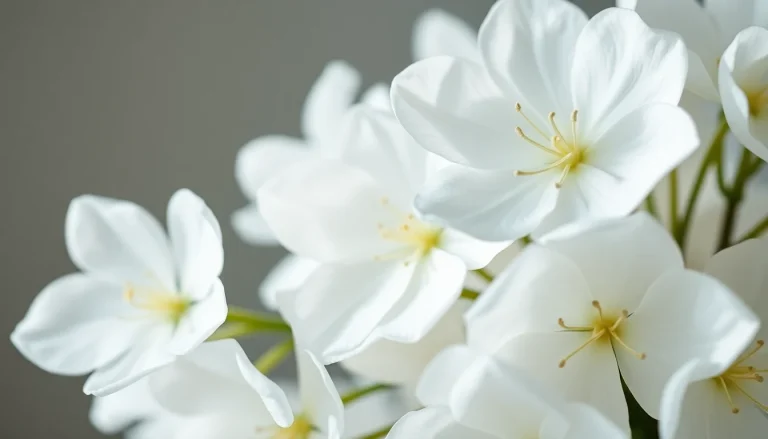
Chamomile absolute, Moroccan (CAS 68916-68-7) — Floral Middle Note Fragrance Ingredient
Chamomile absolute, Moroccan
CAS 68916-68-7
What Is Chamomile absolute, Moroccan?
Chamomile absolute from Morocco is a luxurious floral extract used in high-end perfumes and skincare. You’ll find it in premium aromatherapy blends, natural perfumes, and calming cosmetic formulations. This golden-hued essence captures the soul of Moroccan chamomile fields. Its importance lies in being one of the most prized chamomile varieties, offering deeper, richer floral notes than common chamomile types. The Moroccan terroir imparts unique honeyed undertones.
Safety Profile
GENERALLY SAFEWhat Does Chamomile absolute, Moroccan Smell Like?
Moroccan chamomile absolute unfolds like sun-warmed honey dripping over a bouquet of wildflowers. The initial burst is intensely floral – think apple blossoms dipped in golden syrup – with a distinctive hay-like earthiness underneath. As it dries, the heart reveals tender green notes reminiscent of chamomile tea leaves, while the base lingers with a comforting beeswax smoothness. Unlike German chamomile’s sharper edges, this Moroccan variant wraps you in a velvety floral embrace that lasts for hours on skin.
In Famous Fragrances
Fragrance associations may not reflect actual formulations.
Used here for its honeyed floral depth, blending seamlessly with honeysuckle to create a sun-drenched English garden effect with Moroccan warmth.
Provides delicate floral counterpoint to the sandalwood base, adding sophistication to what could otherwise be overly woody.
Chemistry, Properties & Perfumer Guide
The Chemistry
Moroccan chamomile absolute contains higher levels of bisabolol oxides than other chamomile varieties, contributing to its distinctive floral-waxy character. The extraction process typically yields complex mixtures of sesquiterpenes, flavonoids, and coumarins. Key markers include α-bisabolol (up to 15%), chamazulene (responsible for the blue color in some preparations), and various spiroethers that contribute to the honeyed aspects.
Physical & Chemical Properties
| Appearance | Deep golden to greenish viscous liquid |
|---|---|
| Solubility | Soluble in alcohol and oils |
Key Constituent Properties
| Constituent | CAS | MW | BP °C | XLogP | Vapor P. |
|---|---|---|---|---|---|
| α-Bisabolol | 515-69-5 | 222.37 | 153 °C | 4.9 | 0.0003 mmHg |
| Chamazulene | 529-05-5 | 184.28 | 162 °C | 3.1 | 0.002 mmHg |
Perfumer Guide
| Application | Typical % | Range | Notes |
|---|---|---|---|
| Fine Fragrance | 0.5-2% | Up to 5% | Adds natural floral depth |
| Skincare | 0.1-0.5% | Up to 1% | Soothing active ingredient |
Classic Accords
Tip: Warm gently before blending to improve solubility in alcohol bases.
Alternatives & Comparisons
More affordable but sharper, with stronger green-apple notes. Use when budget constraints exist.
Safety, Regulatory & Sustainability
⚠ Regulatory Disclaimer
General reference only. Consult current IFRA Standards Library before formulating.
IFRA Status
No restrictions under current IFRA standards.
EU Allergen Declaration
None required
RIFM Assessment
Considered safe for current use levels based on RIFM assessments.
Sustainability
Moroccan chamomile is cultivated using traditional methods that preserve biodiversity. The absolute requires significant plant material (approximately 1 ton of flowers yields 1 kg of absolute), making sustainable sourcing critical. Some producers now use CO2 extraction to reduce solvent use while maintaining quality.
Explore Chamomile absolute, Moroccan
Browse essential oils and aroma compounds.
Browse on iHerb →Affiliate disclosure: we may earn a small commission at no extra cost to you.
References
- Sashidhara et al. (2012). Chamomile: A herbal medicine of the past with bright future. Molecular Medicine Reports. PMID 22562099
Data: PubChem (NIH), PubMed, RIFM, IFRA. Last reviewed: Apr 2026.
Report a data errorIngredient Data Sheet
CAS 68916-68-7Physical data: PubChem (NIH/NLM), U.S. EPA CompTox Dashboard, EPA OPERA models, RDKit. Odor & flavor: Arctander (Perfume & Flavor Chemicals), Fenaroli's Handbook of Flavor Ingredients, Leffingwell. Thresholds: van Gemert (Compilations of Odour Threshold Values). Regulatory: IFRA Standards 51st, FEMA GRAS. Trade names: Surburg (Common Fragrance & Flavor Materials). All data compiled and cross-referenced for perfumertools.com.
Related Research
- C9-12-Iso-alkanes (CAS 90622-57-4) — Citrus Base Note Fragrance Ingredient
- Safrole, Isosafrole and Dihydrosafrole (CAS 120-58-1) — Mid Note Fragrance Ingredient
- Butyl 2-methylcrotonate (E) (CAS 7785-66-2) — Green Top Note Fragrance Ingredient
- Methyl acetate (CAS 79-20-9) — Citrus Top Note Fragrance Ingredient