Hyssop oil (CAS 8006-83-5) — Green Top to Middle Note Fragrance Ingredient
Hyssop oil
CAS 8006-83-5
What Is Hyssop oil?
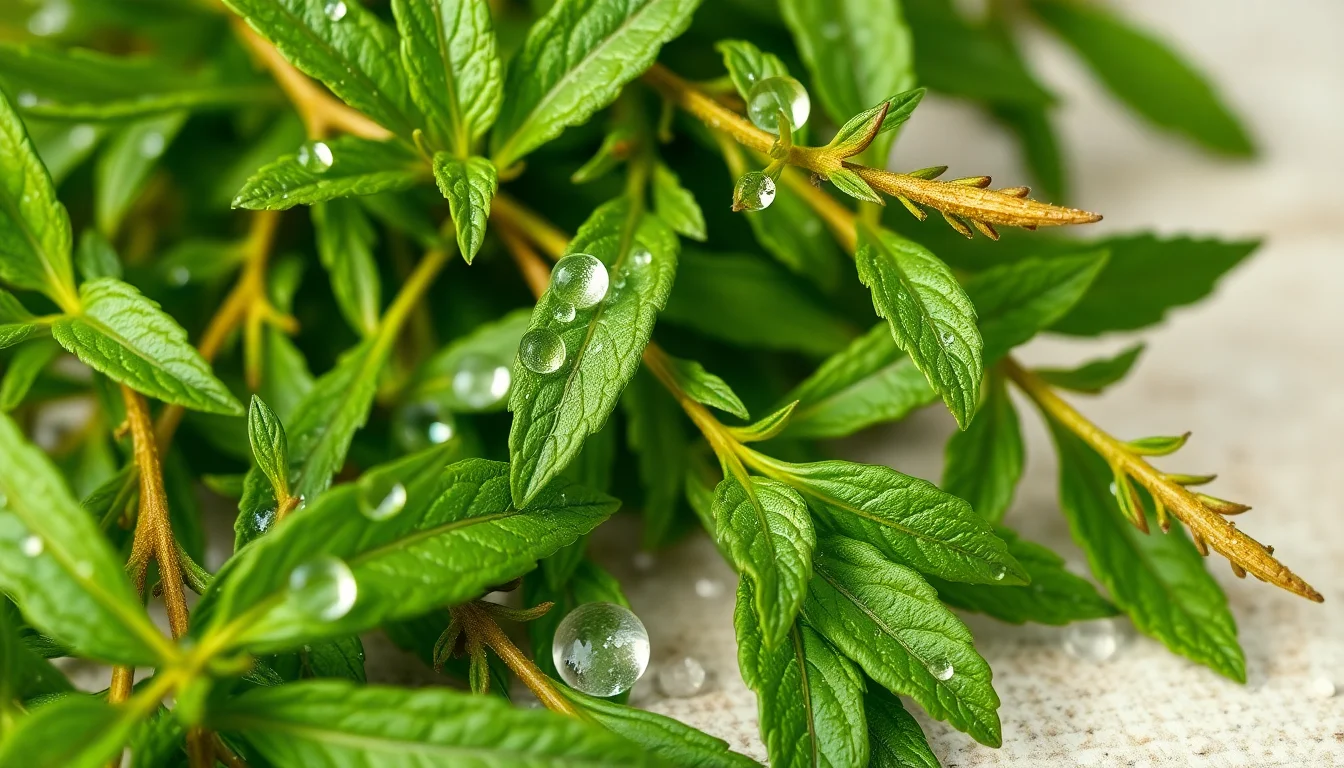
Hyssop oil is a natural essential oil derived from the flowering tops of the Hyssopus officinalis plant. It is commonly encountered in aromatherapy, herbal remedies, and some niche perfumery. This oil matters because it carries a complex, herbaceous aroma with historical significance in traditional medicine and spiritual practices.
Safety Profile
USE WITH AWARENESSWhat Does Hyssop oil Smell Like?
Hyssop oil opens with a sharp, camphoraceous burst reminiscent of crushed mint leaves and eucalyptus, quickly revealing a warm herbaceous heart akin to sage and thyme. The dry-down is surprisingly sweet, with lingering honeyed undertones and a faintly medicinal finish that evokes ancient apothecaries. Its evolution is like walking from a sun-baked Mediterranean herb garden into a cool stone monastery.
In Famous Fragrances
Fragrance associations may not reflect actual formulations.
Used for its crisp herbal facets that complement the citrus top notes, adding medieval garden authenticity to this classic fougère structure.
Hyssop’s bitter greenness amplifies the leather-chypre character, creating an aromatic tension with the artemisia and oakmoss.
Chemistry, Properties & Perfumer Guide
The Chemistry
Hyssop oil is primarily composed of pinocamphone (40-50%) and isopinocamphone (10-20%), both ketones that contribute to its neurotoxic potential. These bicyclic monoterpenoids are accompanied by β-pinene (8-12%) and camphene (5-10%). The oil’s composition varies significantly based on chemotype, with some variants containing high levels of the less toxic linalool instead. Extraction is typically via steam distillation of flowering tops, yielding 0.3-0.8% oil. Chirality matters as the (+)-pinocamphone isomer is more toxic than its (-)-counterpart.
Physical & Chemical Properties
| Boiling Point | 198-210 °C |
|---|---|
| Density | 0.902-0.925 g/cm³ |
| Refractive Index | 1.468-1.476 |
| Flash Point | 62 °C |
Perfumer Guide
| Application | Typical % | Range | Notes |
|---|---|---|---|
| Aromatherapy | 0.5-1% | Up to 2% | Dilution critical due to ketone content |
| Fine Fragrance | 0.1-0.3% | Up to 0.5% | Used as herbal accent |
Classic Accords
Tip: Use hyssop sparingly to add medieval apothecary realism without overwhelming compositions.
Alternatives & Comparisons
Provides similar herbaceous qualities with lower toxicity risk, though lacks hyssop’s honeyed dry-down.
Offers comparable bitter-green character for gothic fragrances when hyssop’s ketones are contraindicated.
Safety, Regulatory & Sustainability
⚠ Regulatory Disclaimer
General reference only. Consult current IFRA Standards Library before formulating.
IFRA Status
Not currently restricted by IFRA, but usage limited to 0.5% in finished products due to pinocamphone content.
EU Allergen Declaration
None required as not among EU’s 26 listed fragrance allergens.
GHS Classification
RIFM Assessment
RIFM assessment recommends maximum dermal exposure limit of 0.47 mg/kg/day based on neurotoxicity studies.
Sustainability
Hyssop is a drought-resistant perennial requiring minimal pesticides, but wild harvesting threatens some populations. Sustainable cultivation exists in France and Hungary. Synthetic alternatives for key components exist but lack the oil’s full complexity.
Explore Hyssop oil
Browse essential oils and aroma compounds.
Browse on iHerb →Affiliate disclosure: we may earn a small commission at no extra cost to you.
References
- Tisserand, R. & Young, R. (2014). Essential Oil Safety. Elsevier.
- PubChem Hyssop Oil CID N/A
Data: PubChem (NIH), PubMed, RIFM, IFRA. Last reviewed: Apr 2026.
Report a data errorIngredient Data Sheet
CAS 8006-83-5Odor & Flavor
| The oil is obtained by steam distillation of the leaves and flowers in low yields (0.15 to 0.30%). It has an herbaceous, camphor-like odor with a warm aromatic, spicy undertone.📖 Fenaroli |
Regulatory Status
| IOFI Classification | Natural📖 Fenaroli |
Physical data: PubChem (NIH/NLM), U.S. EPA CompTox Dashboard, EPA OPERA models, RDKit. Odor & flavor: Arctander (Perfume & Flavor Chemicals), Fenaroli's Handbook of Flavor Ingredients, Leffingwell. Thresholds: van Gemert (Compilations of Odour Threshold Values). Regulatory: IFRA Standards 51st, FEMA GRAS. Trade names: Surburg (Common Fragrance & Flavor Materials). All data compiled and cross-referenced for perfumertools.com.