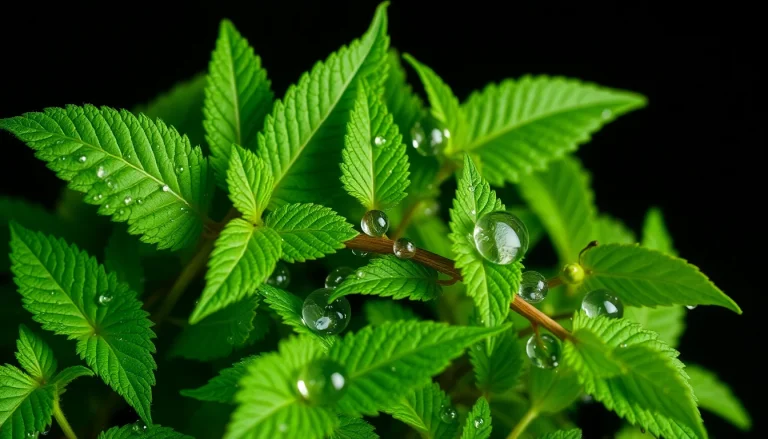
Litsea cubeba oil (CAS 68855-99-2) — Citrus Top Note Fragrance Ingredient
Litsea cubeba oil
CAS 68855-99-2
What Is Litsea cubeba oil?
Litsea cubeba oil is a bright, lemony essential oil extracted from the fruit of a Southeast Asian tree. You’ll encounter it in natural citrus perfumes, cleaning products, and aromatherapy blends. This oil provides an affordable, natural alternative to lemon verbena or lemongrass with superior longevity. Its crisp citrus character makes it popular in summer fragrances and spa products where a refreshing, non-cloying citrus note is desired.
Safety Profile
USE WITH AWARENESSWhat Does Litsea cubeba oil Smell Like?
Litsea cubeba bursts with an intensely fresh, sweet-lemon aroma reminiscent of Meyer lemons crossed with lemongrass. The top note is piercingly bright – like lemon zest with a hint of metallic sharpness. As it evolves, a softer, floral-green heart emerges with undertones of verbena and a whisper of peppery spice. The dry-down reveals subtle woody nuances that distinguish it from other citrus oils, giving it better tenacity on skin. Unlike synthetic citrus notes, it maintains a natural complexity throughout its evolution.
Scent Profile
In Famous Fragrances
Fragrance associations may not reflect actual formulations.
Features litsea cubeba as the star citrus note, blended with bergamot and ginger for a sparkling opening. The oil’s natural green facets complement the fragrance’s aromatic heart.
Uses litsea cubeba to create a candied lemon effect when combined with vanilla and musk. The oil’s sweetness allows it to bridge citrus and gourmand accords.
Litsea cubeba provides the ‘green lemon’ character in this fresh cologne. Its longevity helps extend the typically short-lived citrus top notes.
Employed as a bright counterpoint to the dark tea accord. The oil’s spice facets harmonize with the fragrance’s fig and tobacco notes.
Litsea cubeba amplifies the bergamot’s citrus impact while adding dimension with its unique floral-woody undertones.
Chemistry, Properties & Perfumer Guide
The Chemistry
Litsea cubeba oil is primarily composed of citral (a mixture of geranial and neral isomers), typically constituting 70-85% of the oil. These monoterpene aldehydes are responsible for the characteristic lemon aroma. The oil also contains limonene, linalool, and methyl heptenone. The citral content varies based on growing conditions and extraction methods, with steam-distilled oils showing higher aldehyde content than cold-pressed. The oil’s chirality (primarily R-(-)-citral) contributes to its distinctive scent profile compared to synthetic citral mixtures.
Chemical Composition
Physical & Chemical Properties
| Appearance | Pale yellow to greenish liquid |
|---|---|
| Boiling Point | 228-230 °C (main components) |
| Density | 0.880-0.892 g/cm³ |
| Refractive Index | 1.481-1.488 |
| Solubility | Soluble in alcohol, oils; insoluble in water |
Key Constituent Properties
| Constituent | CAS | MW | BP °C | XLogP | Vapor P. |
|---|---|---|---|---|---|
| Citral (geranial+neral) | 5392-40-5 | 152.24 | 229 | 2.9 | 0.04 mmHg |
| Limonene | 138-86-3 | 136.24 | 176 | 4.3 | 1.55 mmHg |
| Linalool | 78-70-6 | 154.25 | 198 | 2.7 | 0.16 mmHg |
Perfumer Guide
| Application | Typical % | Range | Notes |
|---|---|---|---|
| Fine Fragrance | 0.5-3% | Up to 5% | Provides natural citrus lift |
| Soap/Cleansers | 0.2-1% | Up to 2% | Adds freshness while resisting oxidation |
| Aromatherapy | 1-2% | Up to 3% | Used for uplifting blends |
| Functional Perfumery | 0.1-0.5% | Up to 1% | Air fresheners, detergents |
Classic Accords
Tip: Combine with terpeneless citrus oils to boost citrus character while improving stability in soaps and detergents.
Alternatives & Comparisons
Higher in citral but harsher, with more herbal character. Use when needing more pungent citrus impact.
Synthetic alternative lacking the natural complexity. Suitable for cost-sensitive applications needing just lemon character.
More floral and delicate, but less stable and more expensive. Preferred for high-end natural perfumery.
Safety, Regulatory & Sustainability
⚠ Regulatory Disclaimer
General reference only. IFRA, REACH, EU Cosmetics Regulation standards update periodically. Consult current IFRA Standards Library before formulating. Not legal or regulatory advice.
IFRA Status
No IFRA restrictions. Citral content falls below the 0.1% threshold requiring allergen labeling when used at typical levels.
EU Allergen Declaration
Contains citral which requires declaration above 0.001% in leave-on products and 0.01% in rinse-off products.
GHS Classification
RIFM Assessment
RIFM assessment confirms safe use at current industry levels. Citral content monitored for sensitization potential.
Sustainability
Litsea cubeba is considered a sustainable crop, primarily wild-harvested in China and Vietnam. The trees grow rapidly without intensive agriculture inputs. Most production uses traditional steam distillation methods with relatively low environmental impact. Some concerns exist about overharvesting in certain regions, prompting initiatives for cultivated plantations. Synthetic citral offers an alternative but lacks the oil’s full spectrum of natural components.
Explore Litsea cubeba oil
Browse essential oils and aroma compounds.
Browse on iHerb →Affiliate disclosure: we may earn a small commission at no extra cost to you.
References
- Chen et al. (2019). Chemical Composition and Antioxidant Activity of Litsea cubeba Essential Oil. Journal of Essential Oil Research. DOI: 10.1080/10412905.2018.1564388
- ISO 3214:2020 Essential oil of Litsea cubeba (Litsea cubeba (Lour.) Pers.), Chinese type ISO Standard
- PubChem Compound Summary for Citral CID 638011
Data: PubChem (NIH), PubMed, RIFM, IFRA. Last reviewed: Mar 2026.
Report a data errorIngredient Data Sheet
CAS 68855-99-2Odor & Flavor
| Litsea cubeba is a member of the Lauraceae family, which includes the Cinnamomum species and Laurus nobilus or sweet bay. Parts of L. cubeba used include the pepperlike fruits (berries), bark and leaves. Litsea is grown in Tiawan, Japan and India, but primarily in China, which is also the primary market. The berry yields about 3.2% oil on distillation and has a distinct lemon character odor due to the presence of citral (geranial [41%] and neral [34%]), but may be much modified as the result of the presence of other substances. Litsea cubeba oil is often used as the basis for fine lemon flavors.📖 Fenaroli |
Regulatory Status
| IOFI Classification | Natural📖 Fenaroli |
Physical data: PubChem (NIH/NLM), U.S. EPA CompTox Dashboard, EPA OPERA models, RDKit. Odor & flavor: Arctander (Perfume & Flavor Chemicals), Fenaroli's Handbook of Flavor Ingredients, Leffingwell. Thresholds: van Gemert (Compilations of Odour Threshold Values). Regulatory: IFRA Standards 51st, FEMA GRAS. Trade names: Surburg (Common Fragrance & Flavor Materials). All data compiled and cross-referenced for perfumertools.com.
Related Research
- Ionone Alpha (CAS 127-41-3) — Floral Base Note Fragrance Ingredient
- Triethanolamine (CAS 102-71-6) — Citrus N/A Note Fragrance Ingredient
- Ethyl vanillin (CAS 121-32-4) — Sweet Base Note Fragrance Ingredient
- Octahydro-4,7-methano-1H-indenemethyl formate (CAS 68039-78-1) — Woody Middle Note Fragrance Ingredient