Mandarin oil (CAS 8008-31-9) — Citrus Top Note Fragrance Ingredient
Mandarin oil
CAS 8008-31-9
What Is Mandarin oil?
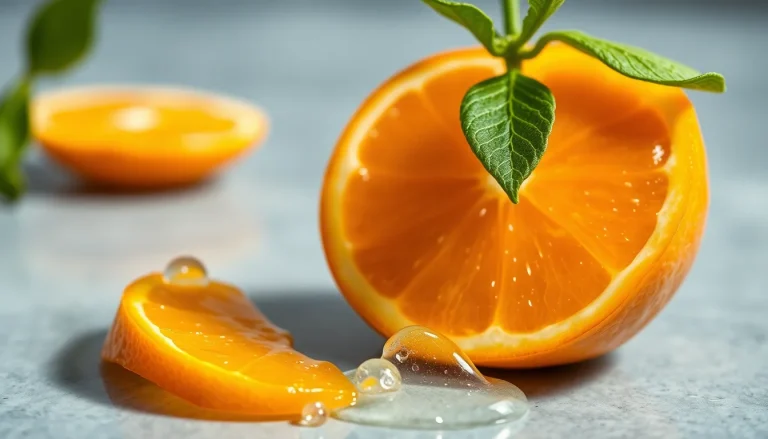
Mandarin oil is a citrus essential oil extracted from the peel of mandarin oranges. It’s commonly found in perfumes, household cleaners, and aromatherapy products. The bright, sweet aroma evokes freshness and is often used to uplift moods. Mandarin oil matters because it provides a natural, cheerful top note in fragrances while being generally safe for consumer use.
Safety Profile
GENERALLY SAFEWhat Does Mandarin oil Smell Like?
Mandarin oil bursts with juicy, sun-ripened citrus sweetness – like peeling a perfectly ripe mandarin on a summer morning. The top note is effervescent and slightly green, evolving into a softer, floral-orange heart with subtle honeyed undertones. Unlike sharper citrus oils, it dries down to a warm, slightly powdery sweetness reminiscent of orange blossoms.
Scent Profile
In Famous Fragrances
Fragrance associations may not reflect actual formulations.
Used for its radiant, uplifting quality that blends with orange blossom and juniper berries to create a sun-drenched Mediterranean garden effect.
Provides the authentic freshly-peeled mandarin note that makes this fragrance famously photorealistic, balanced with bitter orange and tonka bean.
Chemistry, Properties & Perfumer Guide
The Chemistry
Mandarin oil is primarily composed of limonene (65-75%), γ-terpinene (15-20%), and myrcene (1-2%). These monoterpenes contribute to its characteristic citrus aroma. The oil also contains small amounts of aldehydes like decanal that add floral complexity. Cold-pressed mandarin oil retains more volatile top notes compared to distilled versions.
Chemical Composition
Physical & Chemical Properties
| Appearance | Yellow to reddish-orange liquid |
|---|---|
| Boiling Point | 176-178 °C |
| Density | 0.854 g/cm³ |
Key Constituent Properties
| Constituent | CAS | MW | BP °C | XLogP | Vapor P. |
|---|---|---|---|---|---|
| Limonene | 138-86-3 | 136.24 | 176 °C | 4.3 | 1.55 mmHg |
| γ-Terpinene | 99-85-4 | 136.23 | 183 °C | 4.1 | 0.6 mmHg |
Perfumer Guide
| Application | Typical % | Range | Notes |
|---|---|---|---|
| Fine Fragrance | 2-5% | Up to 10% | Fresh citrus opener |
| Household Products | 0.5-2% | Up to 5% | Uplifting cleaner scent |
Classic Accords
Tip: Combine with complementary citrus oils to enhance diffusion and longevity.
Alternatives & Comparisons
Slightly sweeter and less green alternative when a more candied citrus note is desired.
Pure citrus hydrocarbon when only the basic citrus character is needed without mandarin’s complexity.
Safety, Regulatory & Sustainability
⚠ Regulatory Disclaimer
General reference only. IFRA, REACH, EU Cosmetics Regulation standards update periodically. Consult current IFRA Standards Library before formulating. Not legal or regulatory advice.
IFRA Status
No restrictions under IFRA standards. Phototoxicity concerns are mitigated in finished products at typical usage levels.
EU Allergen Declaration
Contains limonene which may cause allergic reactions in some individuals.
GHS Classification
RIFM Assessment
RIFM assessment confirms safe use at current industry levels.
Sustainability
Mandarin oil is sustainably sourced as a byproduct of the citrus juice industry. Cold pressing peel waste provides additional value from food production. Synthetic alternatives exist but lack the full spectrum of natural constituents.
Explore Mandarin oil
Browse essential oils and aroma compounds.
Browse on iHerb →Affiliate disclosure: we may earn a small commission at no extra cost to you.
References
- Tisserand, R. & Young, R. (2014). Essential Oil Safety. Elsevier.
- PubChem Limonene CID 22311
Data: PubChem (NIH), PubMed, RIFM, IFRA. Last reviewed: Mar 2026.
Report a data errorIngredient Data Sheet
CAS 8008-31-9Odor & Flavor
| Cold expression of rind of almost-ripe mandarin fruits yields an average of 0.5% mandarin essential oil. It exhibits a characteristic mandarin odor.📖 Fenaroli |
Regulatory Status
| IOFI Classification | Natural📖 Fenaroli |
Physical data: PubChem (NIH/NLM), U.S. EPA CompTox Dashboard, EPA OPERA models, RDKit. Odor & flavor: Arctander (Perfume & Flavor Chemicals), Fenaroli's Handbook of Flavor Ingredients, Leffingwell. Thresholds: van Gemert (Compilations of Odour Threshold Values). Regulatory: IFRA Standards 51st, FEMA GRAS. Trade names: Surburg (Common Fragrance & Flavor Materials). All data compiled and cross-referenced for perfumertools.com.
Related Research
- 1,5-Cyclododecadiene, 9-methoxy-1,6,10-trimethyl- (CAS 900779-74-0) — Woody Middle to base Note Fragrance Ingredient
- Tonka Bean Absolute (CAS 8046-22-8) — Balsamic Base Note Fragrance Ingredient
- Galaxolide (CAS 1222-05-05) — Musky Top Note Fragrance Ingredient
- Carbonic acid, diammonium salt (CAS 506-87-6) — Citrus N/A Note Fragrance Ingredient