Persimmon extract (CAS 91721-74-3) — Sweet Middle Note Fragrance Ingredient
Persimmon extract
CAS 91721-74-3
What Is Persimmon extract?
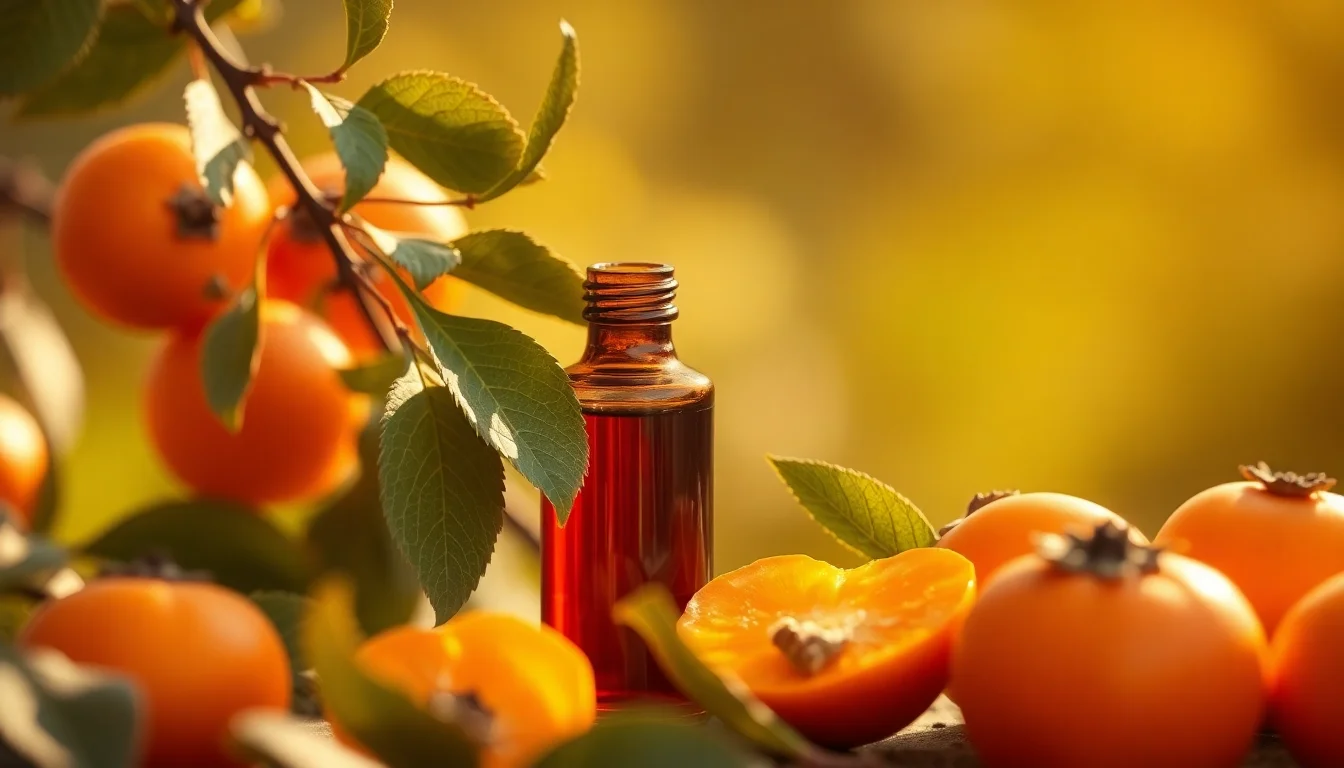
Persimmon extract is a natural ingredient derived from the fruit of the persimmon tree, commonly found in East Asia. It’s used in perfumes, skincare, and food flavoring for its sweet, fruity character. This extract captures the essence of ripe persimmons, offering a unique tropical-fruity note that stands out in fragrance compositions.
Safety Profile
GENERALLY SAFEWhat Does Persimmon extract Smell Like?
Persimmon extract unfolds with a juicy, honeyed sweetness reminiscent of overripe apricots drizzled with maple syrup. The top note bursts with tropical mango-like facets, settling into a heart of fig-like jamminess with whispers of date palm. As it dries down, it reveals a subtle tannic edge like black tea leaves, preventing cloying sweetness. The overall effect is a sun-warmed fruit basket with surprising depth.
In Famous Fragrances
Fragrance associations may not reflect actual formulations.
Persimmon provides the luminous fruity core in this monsoon-inspired scent, mimicking the sweetness of rain-drenched tropical fruits with its honeyed facets.
Used as an exotic counterpoint to vanilla, persimmon extract lends a sun-ripened fruitiness that softens the fragrance’s dark amber base.
Chemistry, Properties & Perfumer Guide
The Chemistry
Persimmon extract contains a complex mixture of fruit-derived compounds including sugars (fructose, glucose), organic acids (malic, citric), and polyphenols like tannins and flavonoids. The characteristic aroma comes from volatile compounds including esters like ethyl butyrate and lactones such as γ-decalactone. Extraction typically involves maceration of ripe fruit followed by solvent extraction or supercritical CO2 methods to capture both volatile and non-volatile components.
Physical & Chemical Properties
| Appearance | Dark amber viscous liquid |
|---|---|
| Solubility | Soluble in water and alcohol |
Perfumer Guide
| Application | Typical % | Range | Notes |
|---|---|---|---|
| Fine Fragrance | 0.5-2% | Up to 5% | Adds fruity richness |
| Body Care | 1-3% | Up to 5% | Skin-friendly fruit note |
Classic Accords
Tip: Use to bridge citrus top notes with sweet amber bases in oriental compositions.
Alternatives & Comparisons
Offers similar jammy fruitiness but with more milky-green facets. Better for Mediterranean-style compositions.
Safety, Regulatory & Sustainability
⚠ Regulatory Disclaimer
General reference only. Consult current IFRA Standards Library before formulating.
IFRA Status
No restrictions under current IFRA standards.
RIFM Assessment
Not currently assessed by RIFM due to natural extract classification.
Sustainability
Persimmon trees are drought-resistant and require fewer pesticides than many fruit crops. Most commercial extracts come from cultivated orchards in East Asia where the fruit is traditionally grown. Supercritical CO2 extraction methods minimize solvent waste. Some producers utilize fruit that would otherwise be discarded due to cosmetic imperfections.
Explore Persimmon extract
Browse essential oils and aroma compounds.
Browse on iHerb →Affiliate disclosure: we may earn a small commission at no extra cost to you.
References
- Kawakami et al. (2010). Volatile constituents of persimmon fruit. Flavour and Fragrance Journal. DOI:10.1002/ffj.1965
Data: PubChem (NIH), PubMed, RIFM, IFRA. Last reviewed: Apr 2026.
Report a data errorIngredient Data Sheet
CAS 91721-74-3Physical data: PubChem (NIH/NLM), U.S. EPA CompTox Dashboard, EPA OPERA models, RDKit. Odor & flavor: Arctander (Perfume & Flavor Chemicals), Fenaroli's Handbook of Flavor Ingredients, Leffingwell. Thresholds: van Gemert (Compilations of Odour Threshold Values). Regulatory: IFRA Standards 51st, FEMA GRAS. Trade names: Surburg (Common Fragrance & Flavor Materials). All data compiled and cross-referenced for perfumertools.com.