Rose absolute (low methyleugenol) (CAS 90106-38-0) — Floral Heart Note Fragrance Ingredient
Rose absolute (low methyleugenol)
CAS 90106-38-0
What Is Rose absolute (low methyleugenol)?
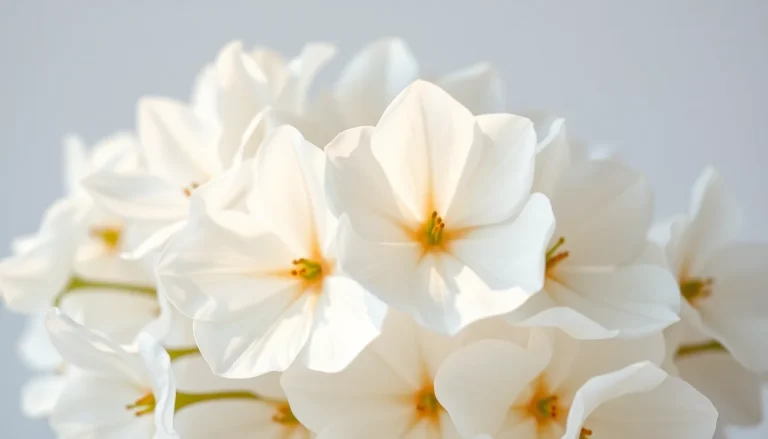
Rose absolute is a luxurious floral extract derived from rose petals, cherished in perfumery for its rich, romantic scent. You’ll encounter it in high-end perfumes, skincare products, and candles. This ingredient matters because it captures the true essence of roses without the sharpness of synthetic rose compounds, offering unparalleled depth and warmth to fragrances.
Safety Profile
GENERALLY SAFEWhat Does Rose absolute (low methyleugenol) Smell Like?
Rose absolute opens with an intoxicating burst of dewy petals, as if walking through a morning garden after rain. The heart reveals honeyed sweetness with subtle spice, like Turkish delight dusted with cinnamon. Dry-down evokes antique velvet—deep, slightly powdery, with lingering traces of ripe fruit and green stems. Unlike synthetic rose notes, it maintains complexity for hours, never becoming cloying.
In Famous Fragrances
Fragrance associations may not reflect actual formulations.
Uses rose absolute to create a hypnotic, almost surreal rose—layered with peach and spices to amplify its narcotic quality while avoiding heaviness.
Showcases rose absolute’s depth by contrasting it with dark patchouli and incense, creating a gothic romantic effect.
Modern twist where rose absolute’s sweetness is roughened with cumin and cedar, making it strikingly gender-neutral.
Chemistry, Properties & Perfumer Guide
The Chemistry
Rose absolute is obtained through solvent extraction of Rosa damascena or centifolia petals, concentrating hundreds of aromatic compounds including phenylethyl alcohol (up to 60%), citronellol, and geraniol. The low methyleugenol variant undergoes additional processing to reduce this potentially irritating component below 0.02%. Unlike rose oil (steam distilled), absolutes retain heavier molecules that contribute to their characteristic honeyed facets.
Physical & Chemical Properties
| Appearance | Viscous orange-brown liquid |
|---|---|
| Solubility | Soluble in alcohol, fixed oils; insoluble in water |
Perfumer Guide
| Application | Typical % | Range | Notes |
|---|---|---|---|
| Fine Fragrance | 0.5-3% | Up to 5% | Anchor for floral bouquets |
| Skincare | 0.1-0.5% | Up to 1% | Adds luxury feel to creams |
| Candles | 1-2% | Up to 3% | Provides rich throw without sooting |
Classic Accords
Tip: Add a touch of geranium oil to brighten rose absolute’s darker facets.
Alternatives & Comparisons
Synthetic alternative when cost or allergen concerns limit absolute use.
Safety, Regulatory & Sustainability
⚠ Regulatory Disclaimer
General reference only. Consult current IFRA Standards Library before formulating.
IFRA Status
No restrictions. Methyleugenol content must be <0.02% in this variant.
EU Allergen Declaration
Contains geraniol (CAS 106-24-1), citronellol (CAS 106-22-9), and farnesol (CAS 4602-84-0)—requires allergen labeling above 0.001% in leave-on products.
RIFM Assessment
RIFM considers rose absolute safe at current usage levels when methyleugenol is controlled.
Sustainability
Bulgarian and Turkish rose farms dominate production, requiring ~8,000 hand-picked petals per gram of absolute. Some brands now use CO2 extraction for higher yield with less solvent waste. Synthetic rose compounds can reduce agricultural pressure but lack the full spectrum of natural absolutes.
Explore Rose absolute (low methyleugenol)
Browse essential oils and aroma compounds.
Browse on iHerb →Affiliate disclosure: we may earn a small commission at no extra cost to you.
References
- Dobson H.E.M. (1994). Floral volatiles in insect biology. CRC Press.
- PubChem Rose Absolute Chemical database
Data: PubChem (NIH), PubMed, RIFM, IFRA. Last reviewed: Apr 2026.
Report a data errorIngredient Data Sheet
CAS 90106-38-0Physical data: PubChem (NIH/NLM), U.S. EPA CompTox Dashboard, EPA OPERA models, RDKit. Odor & flavor: Arctander (Perfume & Flavor Chemicals), Fenaroli's Handbook of Flavor Ingredients, Leffingwell. Thresholds: van Gemert (Compilations of Odour Threshold Values). Regulatory: IFRA Standards 51st, FEMA GRAS. Trade names: Surburg (Common Fragrance & Flavor Materials). All data compiled and cross-referenced for perfumertools.com.
Related Research
- 4-Heptenal (CAS 6728-31-0) — Green Top Note Fragrance Ingredient
- 2,3-Dimethylbenzofuran (CAS 3782-00-1) — Woody Base Note Fragrance Ingredient
- 6,10,14-Trimethyl-2-pentadecanone (CAS 502-69-2) — Musky Base Note Fragrance Ingredient
- 2-Methyl-3-tolylpropionaldehyde (CAS 41496-43-9) — Floral Middle Note Fragrance Ingredient