Sage Dalmatian absolute (CAS 8022-56-8) — Green Heart Note Fragrance Ingredient
Sage Dalmatian absolute
CAS 8022-56-8
What Is Sage Dalmatian absolute?
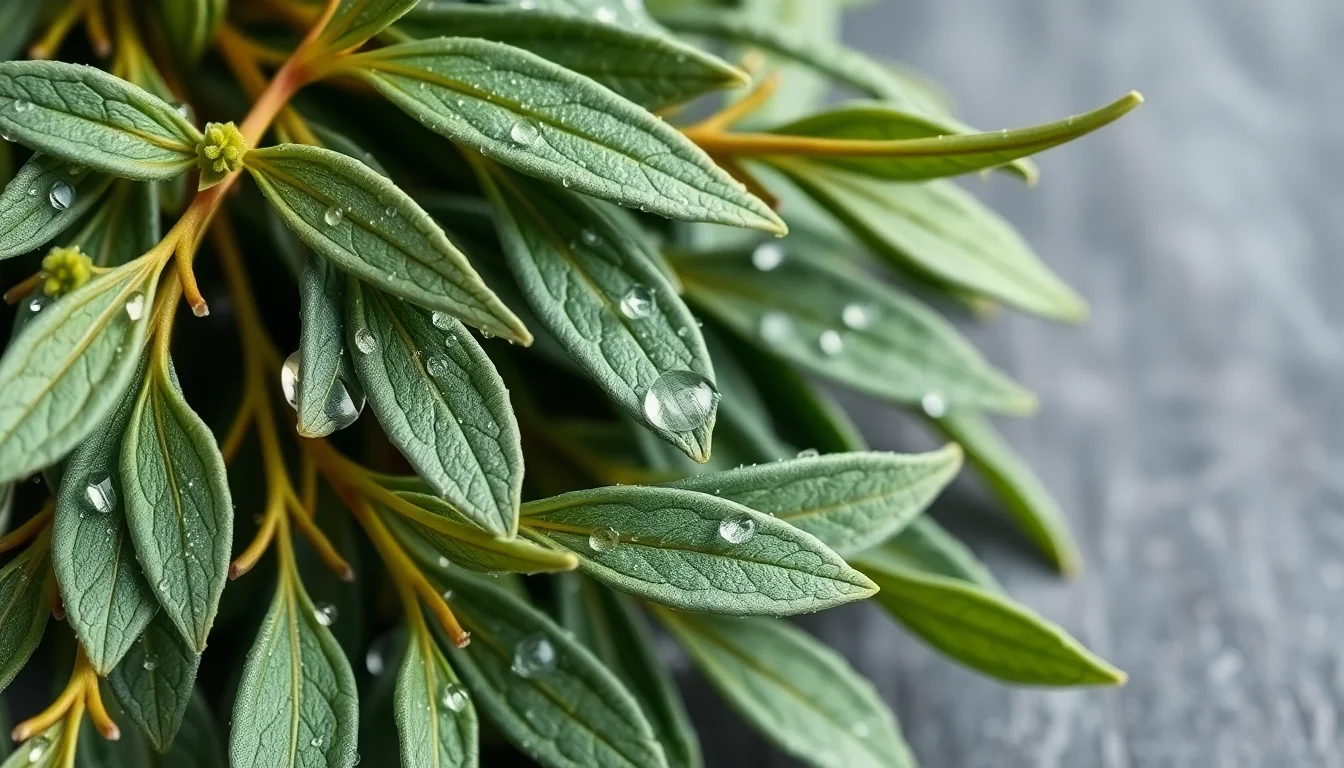
Sage Dalmatian absolute is a highly aromatic extract derived from the flowering tops of Salvia officinalis. It’s commonly found in premium perfumes and aromatherapy products. This ingredient adds herbal, slightly camphoraceous depth to fragrances, valued for its ability to bridge fresh top notes with warmer base accords.
Safety Profile
GENERALLY SAFEWhat Does Sage Dalmatian absolute Smell Like?
Opens with an intense herbal-green burst reminiscent of crushed sage leaves under Mediterranean sun. The heart reveals camphoraceous undertones with a mentholated crispness, evolving into a warm, slightly sweet woody-dry character. Dry-down exhibits subtle leathery and tobacco facets that add sophistication to masculine compositions.
In Famous Fragrances
Fragrance associations may not reflect actual formulations.
Used for its crisp herbal character that complements citrus top notes and oakmoss base.
Provides the signature bitter-herbal edge in this challenging leather chypre.
Chemistry, Properties & Perfumer Guide
The Chemistry
Main constituents include α- and β-thujone (15-45%), camphor (15-30%), and 1,8-cineole (5-15%). The absolute is obtained through hexane extraction of dried flowering tops followed by alcohol washing. Thujone content varies significantly by cultivar and harvest conditions.
Physical & Chemical Properties
| Appearance | Viscous greenish-brown liquid |
|---|---|
| Solubility | Soluble in alcohol, insoluble in water |
Key Constituent Properties
| Constituent | CAS | MW | BP °C | XLogP | Vapor P. |
|---|---|---|---|---|---|
| α-thujone | 546-80-5 | 152.23 | 201 | 2.3 | |
| Camphor | 76-22-2 | 152.23 | 204 | 1.8 |
Perfumer Guide
| Application | Typical % | Range | Notes |
|---|---|---|---|
| Fine Fragrance | 0.5-2% | Up to 5% | Restricted by thujone content |
| Aromatherapy | 0.1-0.5% | Up to 1% | Diluted in carrier oils |
Classic Accords
Tip: Use sparingly with citrus oils to create aromatic depth without overpowering.
Alternatives & Comparisons
Safety, Regulatory & Sustainability
⚠ Regulatory Disclaimer
General reference only. Consult current IFRA Standards Library before formulating.
IFRA Status
Restricted to 0.25% in leave-on products due to thujone content (IFRA 49th Amendment).
EU Allergen Declaration
Contains limonene and linalool – must be declared above 0.01% in wash-off, 0.001% in leave-on products.
GHS Classification
RIFM Assessment
RIFM assessment complete – safe at current IFRA limits.
Sustainability
Wild harvesting in Dalmatia impacts local ecosystems. Sustainable cultivation programs are developing in Croatia and France. Organic certification available but rare.
Explore Sage Dalmatian absolute
Browse essential oils and aroma compounds.
Browse on iHerb →Affiliate disclosure: we may earn a small commission at no extra cost to you.
References
- Bomark et al. (2019). Essential Oil Variability in Dalmatian Sage. Flavour Fragr. J.
Data: PubChem (NIH), PubMed, RIFM, IFRA. Last reviewed: Apr 2026.
Report a data errorIngredient Data Sheet
CAS 8022-56-8Odor & Flavor
| Obtained by steam distillation of the partially dried leaves with yields ranging from 0.5 to 1.0%. Depending on the growing site and even the harvesting time, the oils may exhibit widely different physical–chemical constants. The oil has a characteristic thujone odor. Dalmatian sage oil is considered the best quality. Dalmatian sage serves as the standard sage to which others are compared, as it is considered to possess the finest and most characteristic sage aroma. Sage oil, Spanish type (described below) is obtained from the plants of Salvia lavandulaefolia Vahl. or S. hispanorium Lag.📖 Fenaroli |
Regulatory Status
| IOFI Classification | Natural📖 Fenaroli |
Physical data: PubChem (NIH/NLM), U.S. EPA CompTox Dashboard, EPA OPERA models, RDKit. Odor & flavor: Arctander (Perfume & Flavor Chemicals), Fenaroli's Handbook of Flavor Ingredients, Leffingwell. Thresholds: van Gemert (Compilations of Odour Threshold Values). Regulatory: IFRA Standards 51st, FEMA GRAS. Trade names: Surburg (Common Fragrance & Flavor Materials). All data compiled and cross-referenced for perfumertools.com.
Related Research
- Geranyl linalool (CAS 1113-21-9) — Floral Middle Note Fragrance Ingredient
- Diethylene glycol monoethyl ether (CAS 111-90-0) — Sweet Carrier Note Fragrance Ingredient
- Isooctadecan-1-ol (CAS 27458-93-1) — Citrus N/A Note Fragrance Ingredient
- Isobutyl isobutyrate (CAS 97-85-8) — Sweet Top Note Fragrance Ingredient