Shea butter oil, fixed (CAS 91080-23-8) — Sweet Base Note Fragrance Ingredient
Shea butter oil, fixed
CAS 91080-23-8
What Is Shea butter oil, fixed?
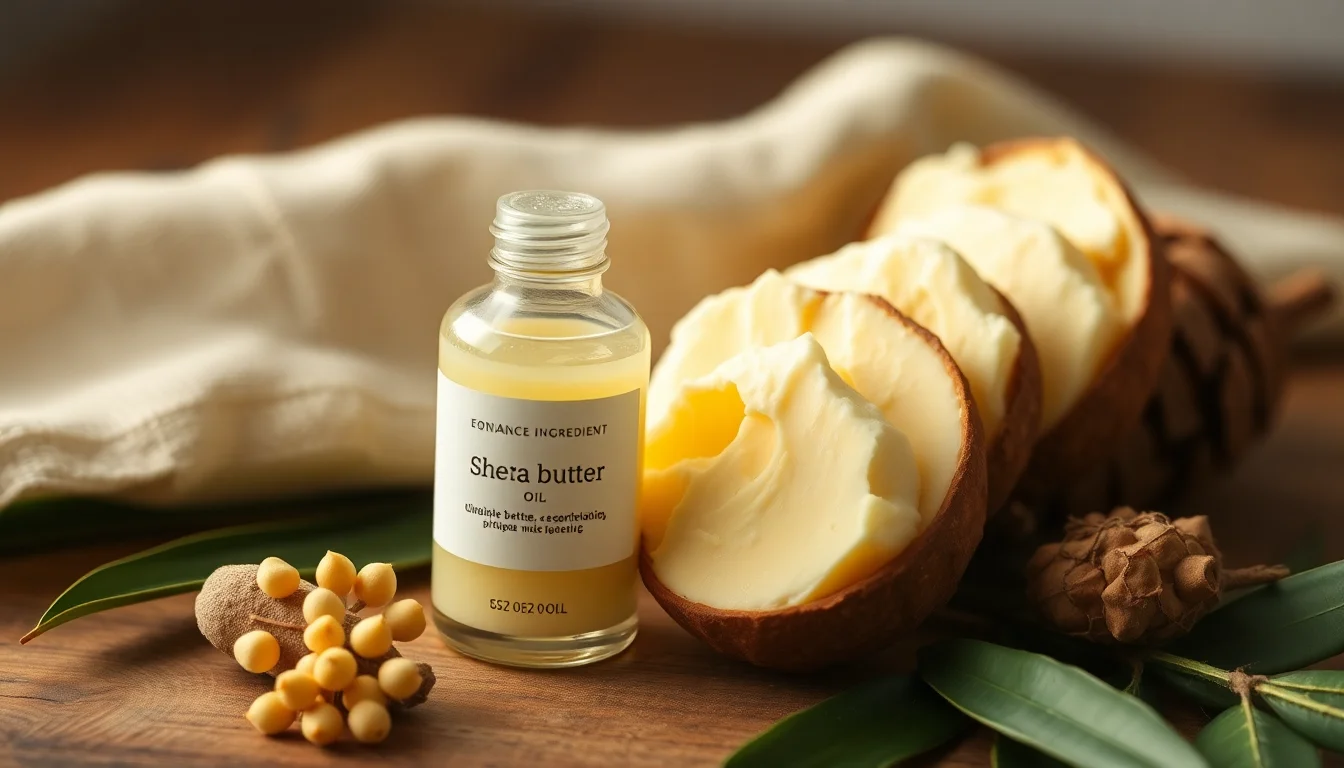
Shea butter oil is a luxurious, skin-nourishing ingredient derived from the nuts of the African shea tree. People encounter it in high-end skincare products, lip balms, and hair conditioners for its deeply moisturizing properties. This oil matters because it’s rich in fatty acids and vitamins that repair skin barrier function while adding a subtle, nutty warmth to fragrance formulations. Its natural origin and skin benefits make it increasingly popular in clean beauty products.
Safety Profile
GENERALLY SAFEWhat Does Shea butter oil, fixed Smell Like?
Shea butter oil offers a delicate, comforting aroma reminiscent of roasted nuts with whispers of warm vanilla. Its scent profile is soft and creamy, like freshly churned butter left to mellow in a wooden churn. The top notes carry faint green nuances that quickly give way to a heart of rich, nutty sweetness with a texture that feels almost edible. In dry-down, it leaves a subtle, skin-like musk that blends seamlessly with other base notes, acting as a natural fixative that enhances longevity without overpowering.
In Famous Fragrances
Fragrance associations may not reflect actual formulations.
Shea butter oil provides the creamy, woody foundation that makes this sandalwood fragrance feel like warm skin. It bridges the gap between sharp cedar and soft vanilla, creating a luxurious texture.
Used sparingly to round out the vanilla and spice notes, shea butter adds a comforting, almost edible quality that makes this fragrance feel like a warm embrace.
The shea butter note here creates a velvety texture that makes the sandalwood and spices feel more intimate and skin-like, enhancing the fragrance’s sensual character.
Chemistry, Properties & Perfumer Guide
The Chemistry
Shea butter oil is composed primarily of triglycerides containing oleic acid (40-60%), stearic acid (20-50%), linoleic acid (3-11%), and palmitic acid (2-9%). These fatty acids give it exceptional emollient properties. The unsaponifiable fraction (5-17%) contains valuable phytosterols like α-amyrin and lupeol, along with vitamin E compounds. Unlike refined shea butter, the oil retains more volatile compounds that contribute to its subtle aroma. Cold pressing preserves these components, while solvent extraction yields a more neutral product.
Physical & Chemical Properties
| Melting Point | 32-45 °C |
|---|---|
| Saponification Value | 178-190 mg KOH/g |
| Iodine Value | 53-65 g I2/100g |
Perfumer Guide
| Application | Typical % | Range | Notes |
|---|---|---|---|
| Skincare Fragrance | 1-5% | Up to 10% | Adds skin affinity and substantivity |
| Fine Fragrance | 0.5-2% | Up to 5% | Used as a natural fixative |
| Candles | 3-7% | Up to 15% | Enhances throw of gourmand notes |
Classic Accords
Tip: Melt gently at low heat (below 50°C) to preserve aroma compounds when incorporating into bases.
Alternatives & Comparisons
Offers similar emollient properties with a more pronounced chocolate-like aroma, better suited for gourmand compositions.
Lighter alternative with fruitier nuances, ideal when shea’s nutty character might overwhelm delicate floral compositions.
Safety, Regulatory & Sustainability
⚠ Regulatory Disclaimer
General reference only. Consult current IFRA Standards Library before formulating.
IFRA Status
No IFRA restrictions. Approved for all applications without limitations.
RIFM Assessment
RIFM considers shea butter oil safe as used in current fragrance practices, with no significant sensitization potential.
Sustainability
Shea butter production supports women-led cooperatives in West Africa, providing vital income while maintaining traditional harvesting methods that protect shea parklands. The slow-growing trees sequester carbon and prevent desertification. Fair trade initiatives ensure sustainable wild harvesting without deforestation. Cold-pressed oil has lower environmental impact than solvent-extracted versions.
Explore Shea butter oil, fixed
Browse essential oils and aroma compounds.
Browse on iHerb →Affiliate disclosure: we may earn a small commission at no extra cost to you.
References
- Maranz S. et al. (2004). Fatty acid profiles of shea nut and shea butter. Journal of Food Composition and Analysis. DOI:10.1016/j.jfca.2003.09.009
- Honfo F. et al. (2014). Nutritional composition of shea products. Food Chemistry. DOI:10.1016/j.foodchem.2013.08.129
Data: PubChem (NIH), PubMed, RIFM, IFRA. Last reviewed: Apr 2026.
Report a data errorIngredient Data Sheet
CAS 91080-23-8Physical data: PubChem (NIH/NLM), U.S. EPA CompTox Dashboard, EPA OPERA models, RDKit. Odor & flavor: Arctander (Perfume & Flavor Chemicals), Fenaroli's Handbook of Flavor Ingredients, Leffingwell. Thresholds: van Gemert (Compilations of Odour Threshold Values). Regulatory: IFRA Standards 51st, FEMA GRAS. Trade names: Surburg (Common Fragrance & Flavor Materials). All data compiled and cross-referenced for perfumertools.com.